🎧 Listen to this story
Narrated by Schedar · 7,315 characters
The Experiment Nobody Warned Me About
Most people treat sleep like a luxury. I used to be one of them. Late nights scrolling, early mornings powered by coffee, weekends where I tried to ‘catch up’ on rest like it was a debt I could repay in two days. I functioned. I got things done. But I was never quite thriving.
Then, on a quiet Tuesday in February, I decided to try something radical: I would prioritize sleep above almost everything else for 30 consecutive days. No late-night Netflix binges. No working until midnight. Lights out by 10:30 PM, and I would not set an alarm unless absolutely necessary. I would let my body tell me what it needed.
What followed was one of the most surprising, humbling, and quietly transformative months of my adult life.
The Rules I Set for Myself
Before diving into what happened, here are the ground rules I followed during the 30-day sleep experiment:
- Consistent bedtime between 10:00 and 10:30 PM every night, including weekends
- No screens (phone, tablet, television) for at least 45 minutes before bed
- Room kept cool and dark, with a white noise machine running
- No caffeine after 1:00 PM
- A short wind-down routine: light stretching, herbal tea, and 10 minutes of reading a physical book
- Tracking sleep with a wearable device to monitor duration and quality
These were not revolutionary ideas. Sleep researchers have been recommending versions of this list for years. But actually doing it, consistently, for 30 days? That is where the real story begins.
Week One: Withdrawal From My Old Life
The first week was genuinely hard, and not for the reasons I expected. I did not struggle to fall asleep. What I struggled with was the identity shift. Staying up late had been woven into my sense of self. It was my ‘me time,’ my creative window, my quiet hours after the world went still.
Giving that up felt like a small grief. I sat with that discomfort and went to bed anyway.
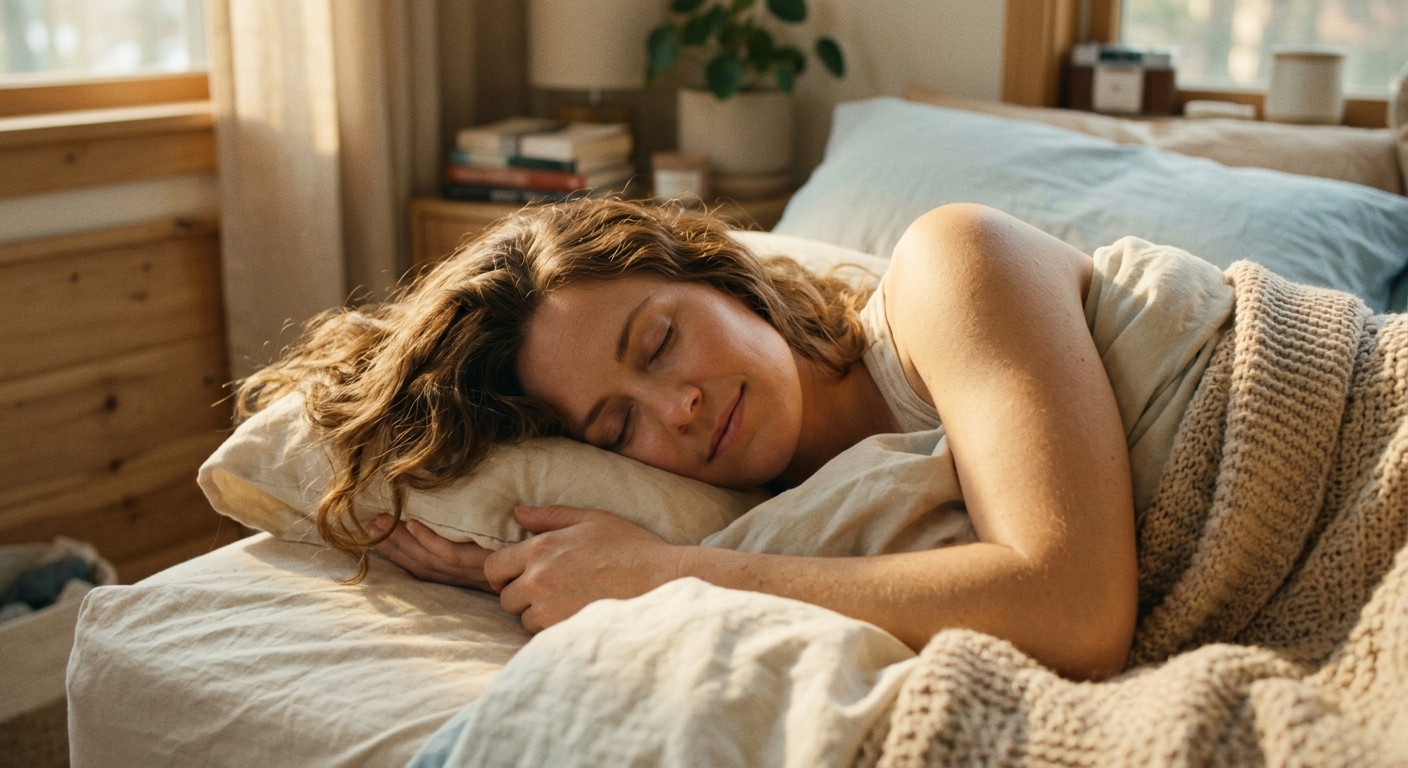
By day five, something shifted. I woke up before my alarm, which almost never happens, and lay there for a moment genuinely confused. I did not feel groggy. I did not reach for my phone out of desperation. I just… woke up. Quietly. Calmly.
It felt strange enough that I wrote it down in my journal.
Week Two: The Physical Changes Begin
Around day ten, the physical shifts became impossible to ignore. My skin, which had been dull and prone to breakouts, started clearing up. I was not using new products. I had not changed my diet significantly. The only variable was sleep.
This is not surprising when you understand the science. During deep sleep, the body releases human growth hormone, which repairs tissue, rebuilds collagen, and regulates inflammation. Chronic sleep deprivation elevates cortisol, which breaks down skin and triggers acne. Give the body consistent, quality sleep, and it quietly goes to work fixing what stress broke.
I also noticed my appetite changing. The intense afternoon cravings I had always chalked up to ‘just how I am’ started fading. Research supports this too: poor sleep disrupts ghrelin and leptin, the hormones that regulate hunger and fullness. Sleep more, and your body stops desperately searching for quick energy from sugar and carbs.
Week Three: The Mental Shift Nobody Talks About
By week three, I noticed something harder to measure but impossible to ignore. I was patient in a way I had not been in years.
A coworker said something mildly annoying in a meeting. My usual internal reaction would have been a flare of irritation that I spent energy managing. Instead, I noticed the comment, felt almost nothing, and moved on. It was not that I had become indifferent. It was that I had enough emotional reserves to respond rather than react.
Sleep deprivation is directly linked to amygdala reactivity, which is the brain’s threat-detection center. When you are sleep-deprived, your amygdala fires up to 60 percent more aggressively in response to negative stimuli. When you are well-rested, your prefrontal cortex, the rational, measured part of your brain, stays in the driver’s seat.
I was not meditating more. I was not doing anything differently except sleeping. And yet I felt emotionally steadier than I had in recent memory.
Other Mental Changes I Logged in Week Three:
- Noticeably sharper memory during work tasks
- Faster problem-solving, especially in the morning hours
- Less decision fatigue by the end of the day
- A quieter internal monologue, less anxious background noise
- More genuine enjoyment of simple things, meals, conversations, walks
Week Four: The Part That Surprised Me Most
I expected to feel better. I did not expect to feel different in my sense of identity.
By day twenty-five, I realized I had stopped identifying as someone who was tired. For years, fatigue had been part of how I described myself. ‘I am just not a morning person.’ ‘I run on caffeine.’ ‘I never feel fully rested.’ These were not just complaints. They were part of my self-concept.
Without that tired identity to anchor to, I had to reckon with who I was when I felt good. It sounds like a small thing. It was not. There is something quietly radical about discovering that a story you have told about yourself for a decade was never actually true. It was just a symptom.
What the Data Actually Showed
My wearable device gave me a clear picture over the 30 days. By the final week, my average nightly sleep had increased from 5.9 hours to 7.6 hours. My deep sleep stages increased by nearly 40 percent. My resting heart rate dropped by four beats per minute, a meaningful marker of cardiovascular recovery and stress reduction.
These are not dramatic, headline-grabbing numbers. But they reflect a body quietly returning to a state it was designed to function in.
What I Would Tell Anyone Considering This
If you are thinking about trying a 30-day sleep reset, here is what I wish someone had told me before I started:
- The first week is about grief, not sleep. You are letting go of habits and identities tied to staying up late. Honor that.
- Consistency matters more than perfection. One late night will not ruin the experiment. Getting back on track the next day will define it.
- The benefits are cumulative. You will not feel dramatically better on day three. You will feel transformed on day twenty-five.
- Sleep is not passive. It is one of the most active, productive things your body does. Choosing it is not laziness. It is intelligence.
- Tell the people around you. Social accountability made my 10:30 PM bedtime feel non-negotiable rather than optional.
The Lesson That Outlasted the Experiment
I finished the 30 days and did not go back. Not completely, anyway. I still have late nights occasionally. Life does not always cooperate with ideal sleep schedules. But the baseline has permanently shifted, because I know now what it feels like to be a rested version of myself, and there is no unknowing that.
We live in a culture that celebrates exhaustion as productivity. We wear our sleep debt like a badge of seriousness and commitment. But what if the bravest, most countercultural thing you could do this month was simply to go to bed?
Thirty days. That is all it took to rewrite a story I had been telling myself for years. Your story might be different. But I would be willing to bet it is waiting for you on the other side of a full night’s sleep.