🎧 Listen to this story
Narrated by Gacrux · 6,563 characters
The Cabinet Full of Things We Never Touch
Somewhere in a dining room near you, possibly your own, there is a cabinet. Inside it sit plates with hand-painted flowers along the rim, crystal glasses that catch the light just so, maybe a set of linen napkins still folded in their original creases. They have been in there for years. Some for decades. Waiting.
Waiting for what, exactly?
A special occasion. A dinner party worthy of the effort. A moment grand enough to justify breaking the seal on something so precious. The wedding china. The anniversary silverware. The good stuff, saved for later.
Here is the quiet tragedy that most of us never say out loud: later has a way of never coming.
A Story That Changes the Way You See Your Shelves
Margaret, a retired school librarian from Ohio, tells a story she has shared at grief support groups for years. After her husband of 44 years passed away, she found herself going through the house, touching things, remembering. When she opened the dining room cabinet, she stopped cold.
The china set they had received as a wedding gift was still there, every single piece intact. Not one chip. Not one crack. Not one memory attached to it beyond the day it arrived in a box.
“We were always going to use it,” she said. “When the kids were old enough not to break anything. When we had more space. When we had people over properly. And then one day there was no more ‘when.’ I stood there holding a plate I had never once eaten off of, and I cried for a very long time. Not just for him. For all those ordinary Tuesdays we turned into nothing special on purpose.”
She uses the china now. Every single morning. Coffee, toast, and a china plate with painted blue irises. She calls it her daily act of defiance against regret.
Why Do We Do This to Ourselves?
The habit of saving things for later is deeply human. Psychologists point to several overlapping reasons why we hold back from using or enjoying the things we love most.
The Scarcity Mindset
Many of us grew up in households where resources were tight, or where adults modeled careful preservation as a form of responsibility. We internalized the message that enjoying good things too freely was somehow wasteful, even reckless. The best bottle of wine gets saved for a guest who might appreciate it more than we do. The expensive perfume comes out only for important evenings. We become curators of our own lives rather than participants in them.
The Myth of the Worthy Moment
There is also the subtle, persistent belief that ordinary moments do not deserve our best. That using the good china on a random Wednesday somehow diminishes its significance, that it needs to be earned. But this thinking quietly robs every Wednesday of its dignity. It teaches us, day by day, that our current life is a rehearsal for something better that is always just ahead.
Fear of Loss
If we use the beautiful things, they might break. They will certainly wear. The perfect preservation of an object keeps it safe from the very living that might damage it. But an object that never risks being broken has also never truly been loved.
7 Things You Are Probably Saving (And Should Stop)
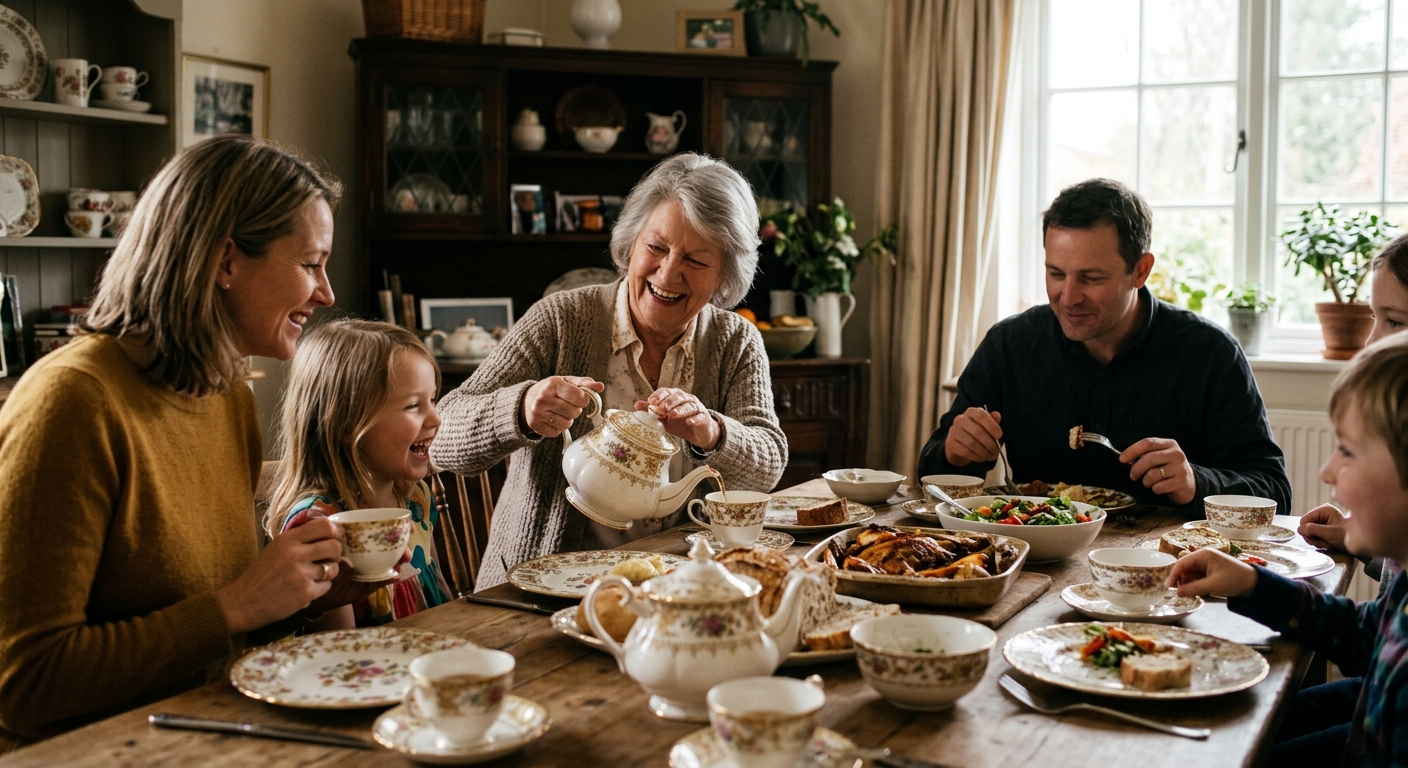
- The fancy dishes and glassware: Eat off the good plates tonight. Use the wine glasses for Tuesday’s pasta. Let your everyday meals feel like occasions.
- The expensive candles: Light them. Your living room on a cold evening is reason enough.
- The perfume or cologne you are rationing: Wear it to the grocery store. Wear it for yourself.
- The outfit that is too nice for regular days: There is no such thing as too nice for a day you are alive and present in.
- The words you mean to say: The “I’m proud of you,” the “thank you for everything,” the “I love you” that you assume the other person already knows.
- Your creative energy: The painting you keep meaning to start, the song half-written in a notebook. Stop saving your imagination for when you have more time.
- The experiences you are deferring: The trip, the class, the conversation you keep scheduling for later. Later is not a date on the calendar.
The Philosophy Behind Using the Good Stuff
This is not about materialism or encouraging you to spend recklessly. It is about something far more fundamental: the quiet radical act of deciding that your current life, right now, today, is worthy of your full presence and your finest attention.
The Danish concept of hygge gets at part of this. The Japanese idea of ichigo ichie, which translates roughly as “one time, one meeting,” captures it even more precisely. It is the understanding that this particular moment, this meal, this conversation, this ordinary afternoon will never come again. That makes it extraordinary by definition.
When you light the good candles on a Tuesday, you are not wasting them. You are declaring that Tuesday matters. You are practicing the belief that your present life is not a waiting room.
What Living Fully Actually Looks Like
Living fully does not require grand gestures or expensive decisions. It tends to show up in the smallest recalibrations of daily behavior.
It Looks Like Presence
Putting the phone down during dinner. Actually tasting the food. Looking at the person across from you and listening to them with your whole self rather than half your mind on the next thing.
It Looks Like Permission
Giving yourself permission to enjoy what you have, where you are, with what you have got. Not earning joy through suffering first. Not making yourself wait.
It Looks Like Small Ceremonies
Making your morning coffee in the cup you love most. Playing music while you clean the house. Folding laundry in the sunshine instead of rushing through it. Noticing the light on the wall at four in the afternoon and letting yourself think: this is beautiful.
A Challenge Before You Close This Tab
Go find the thing you have been saving. The china, the candle, the dress, the bottle, the words. Whatever it is for you, you know what it is before you even finish reading this sentence.
Use it today. Not because something special is happening. Because something special is always happening, and you are in the middle of it, and you have been for your entire life.
Margaret drinks her coffee from blue iris china every morning now. She says it does not make her sad anymore. It makes her feel like herself, finally, without apology, without a guest list, without waiting for permission from the calendar.
“The ordinary days,” she says, “were the good ones the whole time. I just needed the right plates to see it.”
Stop saving the good china. Set the table for today.