🎧 Listen to this story
Narrated by Sadachbia · 7,574 characters
The Folder on Her Desk That Changes Lives
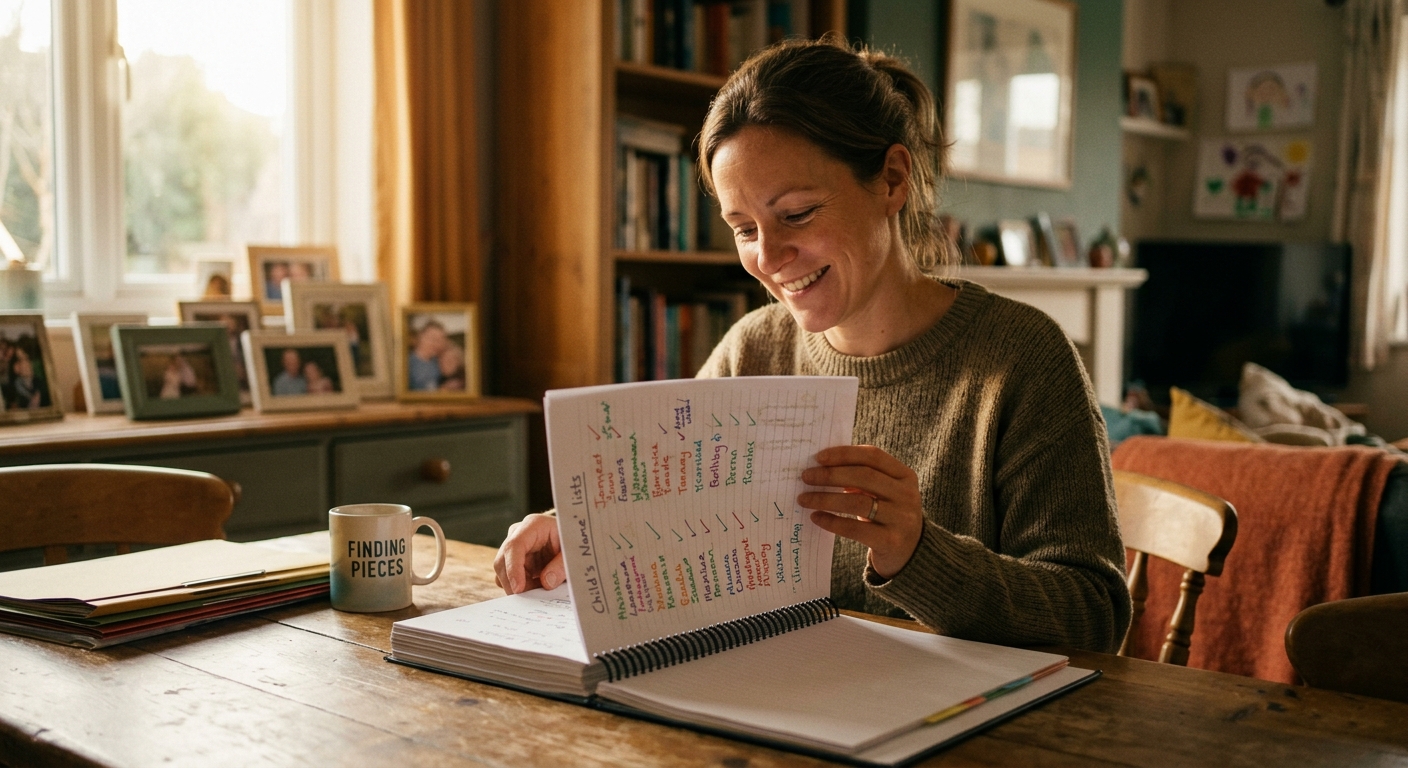
On the corner of Maria Hendricks’ cluttered desk in a small government office in Columbus, Ohio, there sits a worn manila folder. Inside it are names, dates, case numbers, and photographs. Some photos are school portraits. Some are blurry smartphone snapshots. A few are photocopies of old documents that have been faxed so many times the faces are barely visible.
Each entry in that folder represents a foster child who was reunited with a sibling they never knew existed.
As of this spring, that number has reached 400.
Hendricks, a 54-year-old licensed clinical social worker with nearly three decades of experience in the child welfare system, has made sibling reunification the quiet, determined mission of her career. She does not have a foundation. She does not have a nonprofit with a sleek website. She has a phone, a computer, access to case records, and an almost stubborn refusal to let bureaucracy win.
How It Started: A Boy Who Asked One Question
Hendricks did not set out to become what colleagues now call “the sibling finder.” The work found her, the way many of life’s most important callings do, through a single moment that refused to leave.
In 1998, she was a newly assigned caseworker handling a placement for a seven-year-old boy named Darius. He had been removed from his home after a neglect case and placed in a foster home across the city. During one of her routine check-in visits, Darius asked her a question she was not prepared for.
“He looked up at me with these very serious eyes,” Hendricks recalled in a 2023 interview with Ohio Child Welfare Quarterly, “and he said, ‘Did my baby sister go somewhere safe?’ I had no idea he had a sister. His file didn’t mention her. Nobody told me.”
It took Hendricks six weeks to track down the girl, who had been placed in a different county under a slightly different spelling of her last name. The two children were eventually placed together. Darius, Hendricks says, did not speak for the first ten minutes after seeing his sister. He just held her hand.
“That was it for me,” she said. “I couldn’t unknow what I now knew, which was that these separations were happening constantly, and nobody was systematically trying to fix them.”
The Broken System She Decided to Work Around
To understand what Hendricks does, you first have to understand how siblings in the foster care system so often lose each other in the first place.
When children are removed from a home, they are not always placed together. Factors like the capacity of a foster home, the geographic availability of placements, the age and needs of the children, and sometimes simple administrative oversight can result in brothers and sisters being sent in entirely different directions. In cases involving multiple relationships (half-siblings from different fathers or mothers, for instance), the family connections may not even be fully documented in a child’s file.
According to a 2022 report from the National Child Welfare Information Gateway, an estimated 65 to 70 percent of children in foster care have at least one sibling also in care, and the majority of those sibling groups are separated at some point during their placement history.
Most states have policies encouraging sibling placement together. The reality, however, often looks different.
“The policy exists on paper,” Hendricks said. “But policy doesn’t dial a phone number at 11 p.m. to track down a placement coordinator in another county. People do. And there just aren’t enough people doing it.”
What the Work Actually Looks Like: A Day With Maria
A reporter who shadowed Hendricks for two days in February described the experience as watching someone “solve puzzles at the speed of someone who has been solving the same puzzle for 27 years.”
Her process involves several layers:
- File auditing: When Hendricks takes on a new case or receives a referral, she reviews not just the child’s file but parental records, court documents, and hospital records where available, looking for any mention of other children.
- Cross-county coordination: She has built relationships with placement coordinators across all 88 Ohio counties, and she is not above cold-calling counterparts in neighboring states.
- DNA registry outreach: In cases where documentary evidence is thin, she connects older youth with voluntary sibling registries and, with consent, DNA testing services that specialize in family finding.
- Relationship brokering: Finding siblings is only the beginning. Hendricks also coordinates initial contact visits, prepares children emotionally for what can be complicated first meetings, and advocates for placement changes when reunification is in the child’s best interest.
She handles all of this largely on top of her standard caseload, which averages between 20 and 25 active cases at any time.
The Reunions: What 400 Looks Like Up Close
Four hundred reunions do not all look the same. Hendricks is careful to say that.
Some are joyful and immediate, children who sprint across a room toward each other as if pulled by a string. Some are awkward and quiet, teenagers who have grown up as strangers and are now supposed to feel like family. A few have been painful, involving siblings who were not ready for the contact, or whose placements were complicated by the reunion.
“I never promise anyone a fairy tale,” Hendricks says. “What I promise is that they will have the chance to know each other. What they build from there is theirs.”
Among the stories that have stayed with her:
- Twin girls, separated at 18 months old, who discovered each other at age 16 through a school district overlap and were eventually placed together for their final two years before aging out of the system.
- A 19-year-old young man who had aged out of foster care and was living in transitional housing when Hendricks located three younger siblings still in the system. He became a consistent mentor figure for all three, even without a formal placement.
- A six-year-old girl placed in a home 200 miles from her older brother, who had been advocating loudly for her in his own placement for two years before a caseworker finally called Hendricks for help.
What Other Professionals Say
Dr. Sylvia Tran, a child psychologist who has consulted on several of Hendricks’ cases, describes sibling relationships in foster care as “chronically undervalued by the system.”
“We know from decades of research that sibling relationships are among the most stabilizing connections a child in foster care can have,” Dr. Tran said. “They share history. They share identity. When everything else in a child’s world has been disrupted, a sibling is someone who remembers who you were before all of this.”
She added: “Maria understands this not just intellectually but in her bones. She treats sibling separation as the emergency that it is.”
The Folder Is Not Finished
When asked if she plans to slow down, Hendricks gives a short laugh.
“I’ll slow down when the system fixes itself,” she said. “So, no.”
She is currently training two younger caseworkers in her methodology and has been invited to present her approach at a national child welfare conference later this year. She hopes to formalize her process into a replicable model that other counties and states can adopt.
For now, though, she returns each morning to that desk, to that folder, and to the next name on the list of children who do not yet know that someone out there shares their face, their history, and their story.
Four hundred families found. And she is already working on number 401.