🎧 Listen to this story
Narrated by Sadachbia · 7,555 characters
The Moment I Decided to Stop Saying No
It started with a birthday party I almost skipped. My coworker had invited me weeks in advance, and when the night finally arrived, I had already rehearsed my excuse: headache, long week, maybe next time. But something stopped me. I stood in my apartment in my pajamas, phone in hand, and thought about how many “next times” I had let slip by in the past year alone. Dozens. Maybe more.
So I went. And at that party, I met the woman who would become my closest friend, heard about a volunteer program that would change how I see the world, and laughed harder than I had in months. That one yes unlocked a door I had no idea was even there.
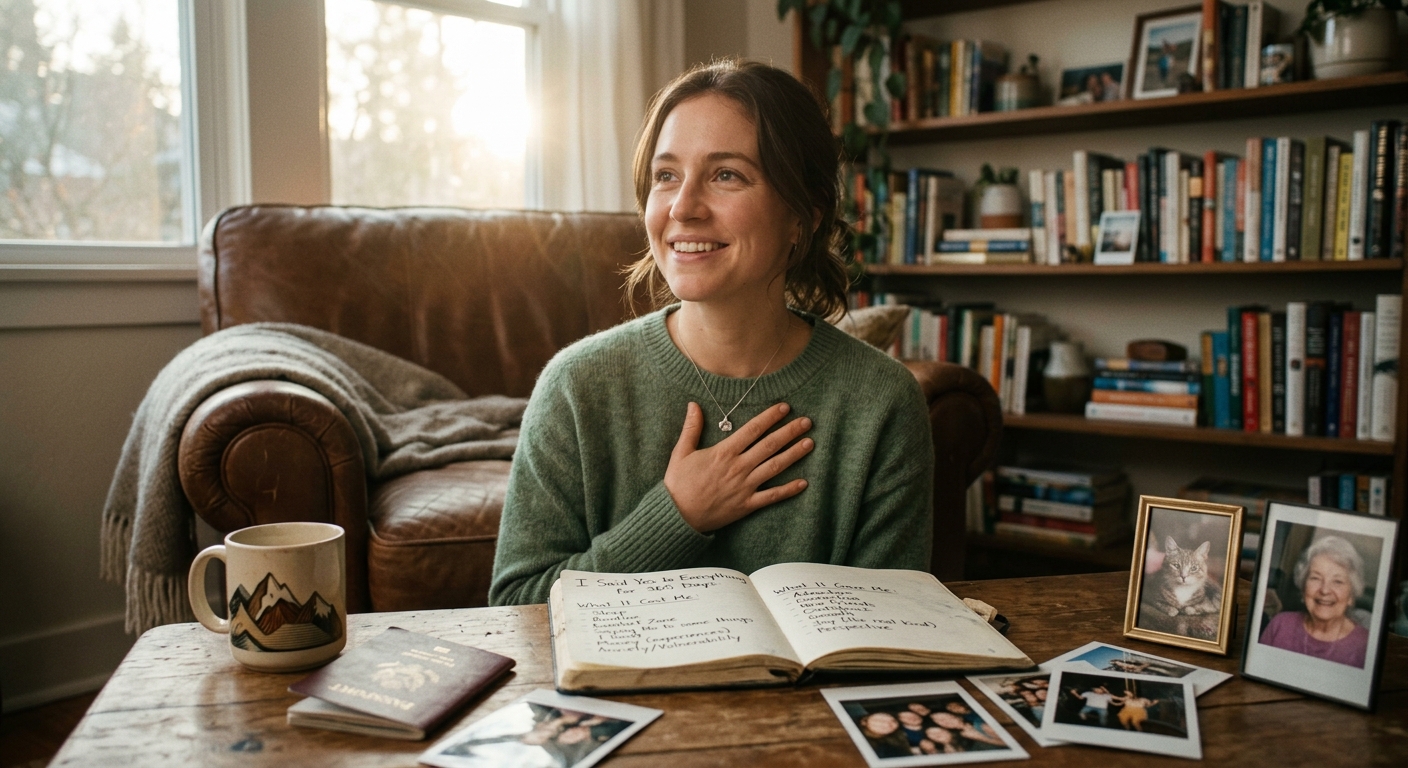
Right then, I made a decision. For the next 365 days, I would say yes to everything that scared me, bored me, challenged me, or simply made me uncomfortable. Not recklessly, not dangerously, but deliberately. I kept a journal. I tracked every invitation, opportunity, and unexpected nudge the universe threw my way. This is what happened.
The Rules I Set for Myself
Before I dive in, some context. My “yes year” had a few guardrails. I was not saying yes to anything illegal, harmful, or financially irresponsible. My version of the experiment was more about social and personal expansion than adrenaline-seeking. The areas where I committed to saying yes included:
- Social invitations I would normally decline out of laziness or anxiety
- Professional opportunities that felt too big or too risky
- New hobbies or skills I had always been “meaning to try”
- Requests from friends and family that I usually deflected
- Moments of spontaneity, even small ones, like taking a different route home or trying an unfamiliar restaurant
It sounds simple. It was not.
The First Three Months: Discomfort Is a Feature, Not a Bug
January through March were brutal. I said yes to a pottery class even though I have zero artistic ability. I said yes to presenting at a work meeting when my instinct was to stay quiet. I said yes to a blind date my neighbor set up, which was awkward but surprisingly funny.
The discomfort was real and persistent. I came home exhausted from social situations I would normally have avoided. My introvert self was screaming. But I also noticed something happening beneath the surface: I was becoming more curious. When you stop pre-deciding that something will be bad, you start actually wondering what it will be like. That shift, from dread to curiosity, was the first major gift of the experiment.
By March, I had already done things I had put off for years. I joined a community choir despite not being able to carry a tune reliably. I started a weekend hiking group with two acquaintances who are now genuine friends. I agreed to help a neighbor move apartments and ended up spending six hours hearing the most incredible life story from a 74-year-old former jazz musician named Gerald.
The Middle Months: When Saying Yes Gets Complicated
By summer, I had hit a wall I had not anticipated. Saying yes to everything meant I was also saying yes to people who did not always have my best interests at heart. I agreed to help a friend with a project that consumed three weekends and ended without a thank you. I said yes to a social obligation that left me feeling used and invisible.
This was the most valuable lesson the experiment gave me, and it came the hard way. Saying yes indiscriminately is not generosity. It is avoidance wearing a generous costume. I was still avoiding something, only now I was avoiding the discomfort of disappointing people rather than the discomfort of showing up.
I did not abandon the experiment. Instead, I refined my relationship with yes. I started asking myself one question before I answered: “Am I saying yes because I want to, or because I am afraid of what happens if I say no?” That question became a compass.
What the Research Actually Says About Novelty and Happiness
I am not the first person to notice that new experiences change us. Psychologists have studied this extensively. Research published in the journal Psychological Science suggests that people consistently underestimate how much they will enjoy new social experiences and overestimate how uncomfortable those experiences will be. We are, as a species, notoriously bad at predicting our own emotional futures.
Dr. Laurie Santos, professor of psychology at Yale and host of the podcast “The Happiness Lab,” has spoken at length about how human beings adapt poorly to sameness and thrive on what researchers call “hedonic flexibility,” the ability to find freshness and meaning in varied experiences. Saying yes, it turns out, is not just a personal growth exercise. It is a neurological one.
The Unexpected Gifts of a Yes Year
By the time autumn arrived, the experiment had given me things I genuinely could not have predicted:
1. A Community I Did Not Know I Needed
Through the choir, the hiking group, and a neighborhood clean-up I almost skipped, I had built something I had not had in years: a real, breathing, in-person community. Not followers. Not contacts. People who would notice if I disappeared.
2. A Career Shift That Changed Everything
In September, I said yes to speaking at a small local event about a side project I had been quietly working on. Forty people attended. One of them offered me a freelance contract that eventually became a full-time opportunity in a field I love. I almost said no because I was nervous about public speaking.
3. A Completely Recalibrated Sense of Risk
By October, the things that had once felt enormous, like introducing myself to a stranger or volunteering to lead something, felt ordinary. My baseline for “risky” had shifted dramatically. What once required courage had become habit.
4. Grief, Processed Through Action
I said yes to a grief support group after losing my uncle in February. I did not think I needed it. I sat in a circle of strangers and cried for the first time since the funeral. It remains one of the most important yeses of the entire year.
What I Would Tell Anyone Considering This Experiment
You do not need to commit to 365 days. Start with 30. Or even one week. Say yes to three things you would normally decline and pay close attention to what happens inside you, not just around you.
Here is what I know for certain after a full year:
- The version of yourself who says yes more often is not more exhausted. They are more alive.
- Most of what we are protecting ourselves from is not actually dangerous. It is just unfamiliar.
- Connection is almost always on the other side of an uncomfortable yes.
- Some of the best chapters of your life are sitting in invitations you have not opened yet.
- You will not regret most of the yeses. You will mostly regret the nos you said on autopilot.
The Question That Will Stay With Me
On December 31st, the last night of my yes year, I sat in my apartment, the same apartment where I had almost skipped that birthday party twelve months earlier, and I read back through my journal. Page after page of things that had terrified me, bored me, or seemed pointless. And almost every single one of them had given me something: a skill, a friendship, a memory, a lesson, or simply the quiet confidence of knowing I had shown up.
I did not become a different person during that year. I became a more complete version of the person I already was. And I think that is the whole point.
So here is the question I will carry forward, and the one I am leaving with you: What is the one thing you have been meaning to say yes to, and what exactly are you waiting for?